
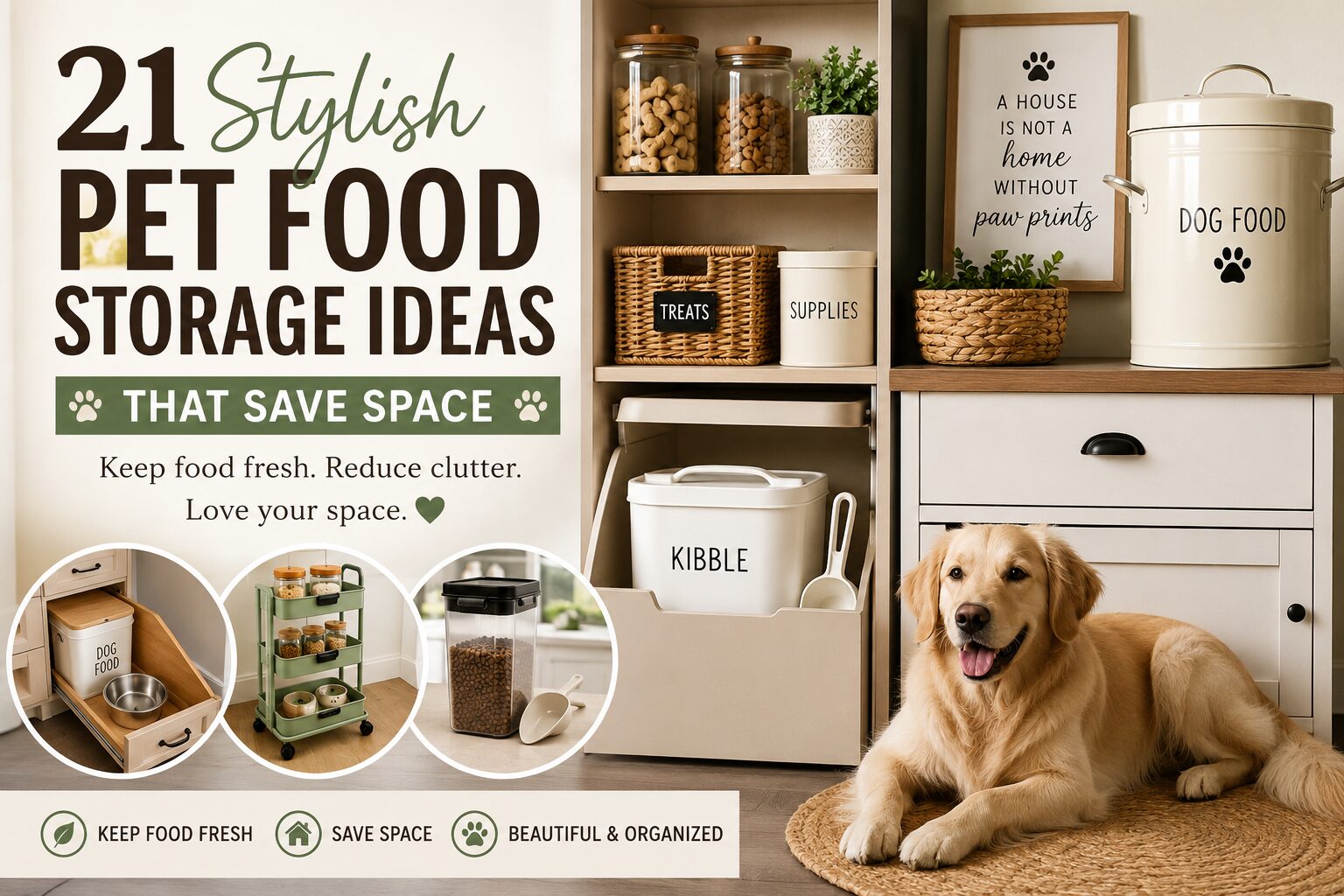
Open pet food bags can make your kitchen look messy, attract pests, and cause kibble to lose freshness faster than expected. Many pet owners struggle to balance organization with style, especially in small kitchens or apartments. The good news? Smart pet food storage ideas can keep food fresh, reduce clutter, and make your home look far more organized without spending a fortune.

Pet-Safe Sensory Sniff Garden Lavender

Secure Folding Exercise Pen
Pet Food Storage Container
WiFi Automatic Dog Food Dispenser
Why Proper Pet Food Storage Matters
Pet food storage is not only about aesthetics. Air, moisture, and heat can reduce food quality over time. Storing dry kibble correctly helps maintain freshness and prevents unwanted odors from spreading around your kitchen or pantry.
Airtight containers also help protect pet food from insects and humidity. According to the FDA Pet Food Safety Guidelines, keeping pet food sealed and stored in cool areas helps reduce contamination risks.
If you love organized spaces, you may also enjoy:
- Small Apartment Storage Ideas
- Minimalist Kitchen Organization Tips
Best Airtight Pet Food Containers
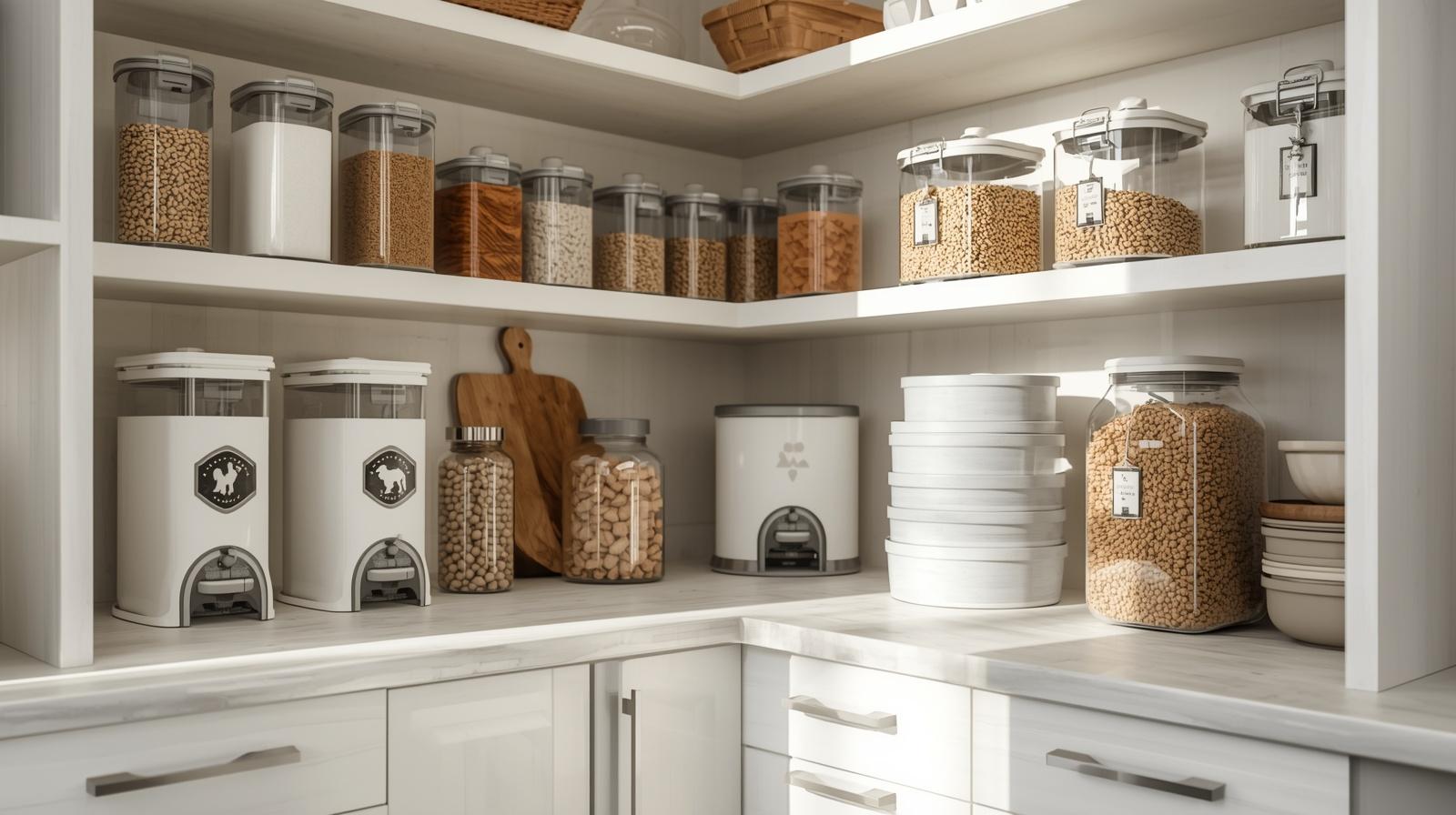
Clear Stackable Containers
Clear bins make it easy to track how much food remains while keeping your pantry neat. Stackable containers work especially well for small kitchens because they save vertical space.
Choose BPA-free airtight containers with locking lids. They help maintain freshness and reduce moisture exposure.
Metal Pet Food Storage Bins
Metal storage bins add a modern farmhouse look while keeping kibble hidden. Many pet owners prefer galvanized metal bins because they blend easily with neutral home decor.
They also help block sunlight, which can affect food quality over time.
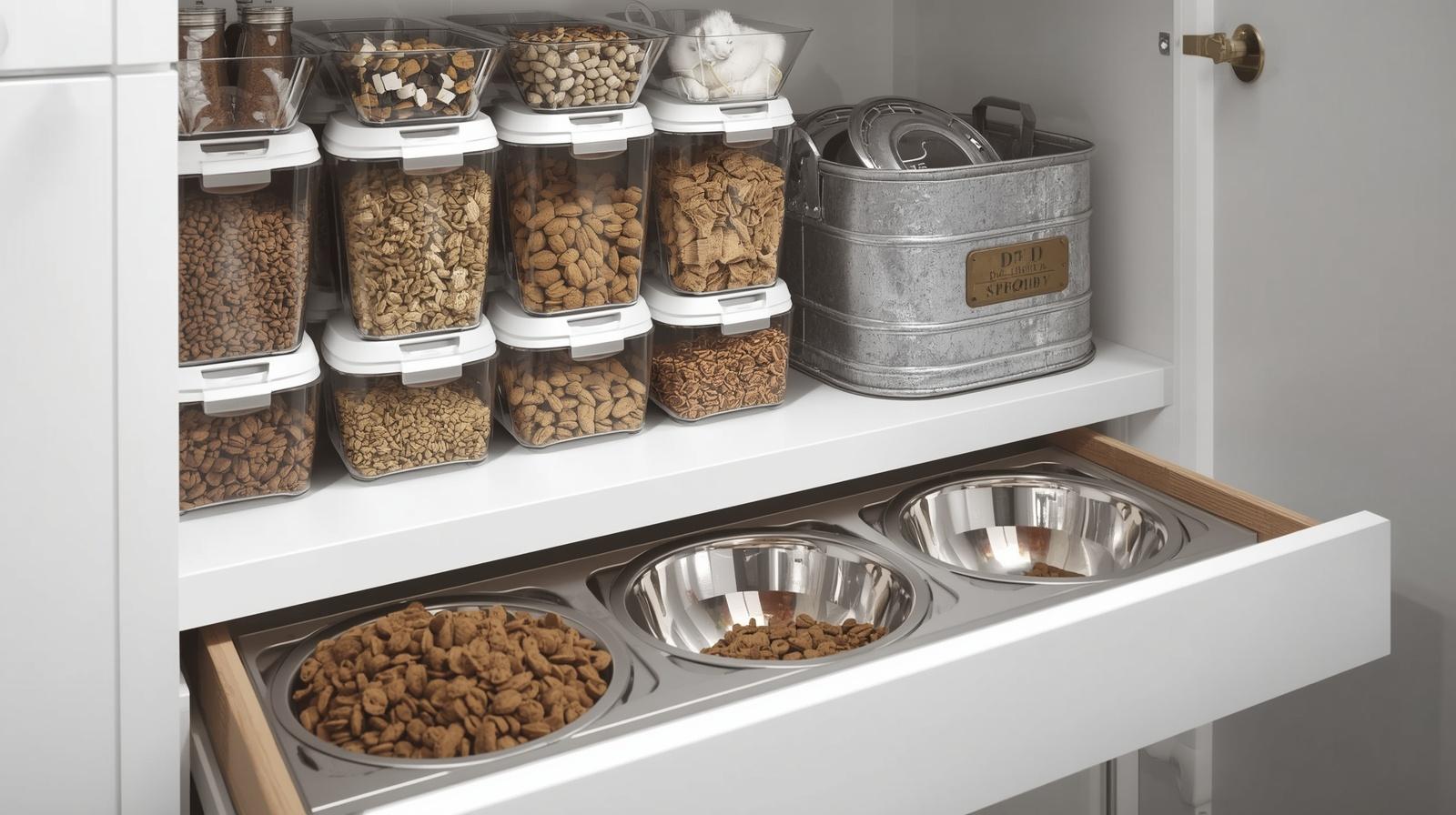
Pull-Out Drawer Storage
Built-in pull-out drawers create a clean hidden feeding area. This setup works well for modern kitchens where visible pet supplies can make the room feel cluttered.
Pair pull-out drawers with matching bowls for a sleek feeding station design.
Pet Food Storage Ideas for Small Spaces
Use Vertical Pantry Storage
Small apartments often lack floor space, so vertical storage becomes essential. Narrow rolling carts fit beside refrigerators and hold pet food, treats, and bowls without taking up much room.
Wall-mounted shelves also help keep feeding supplies organized.
Hidden Bench Storage
Storage benches work well in entryways or kitchens. You can store kibble inside while using the top as seating or decor space.
This idea keeps bulky pet food bags out of sight while maintaining a clean room layout.
Under-Cabinet Feeding Stations
An under-cabinet feeding station helps reduce floor clutter. Slide-out bowls and hidden containers create a minimalist look while keeping everything accessible.
This setup is especially useful in studio apartments or compact kitchens.
DIY Pet Food Storage Solutions
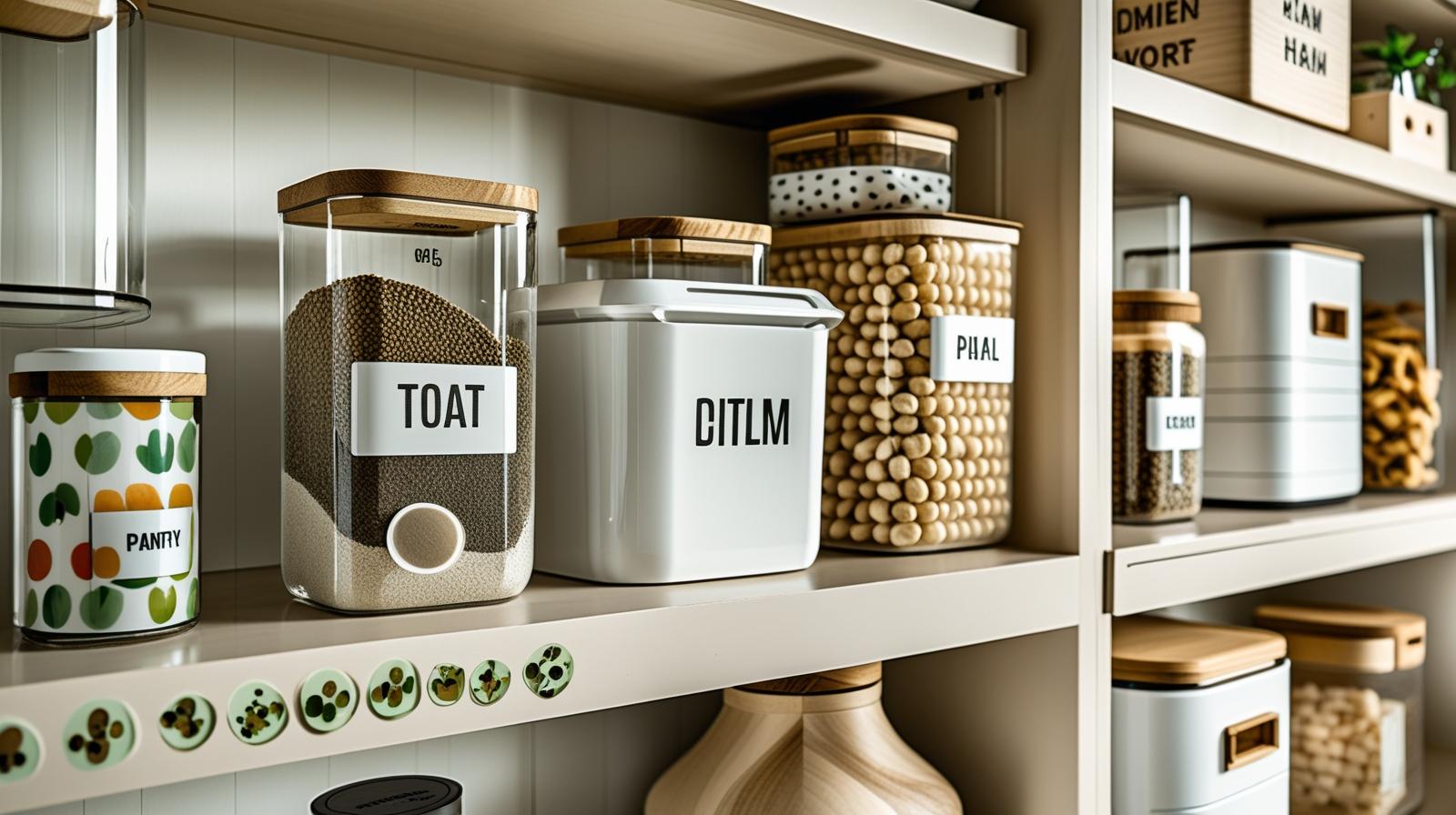
Repurpose Glass Jars
Large glass jars create an affordable and stylish storage option for treats or dry food. Add simple labels to make your pantry look more organized.
Glass jars also fit nicely into modern, boho, or Scandinavian-style kitchens.
Wooden Crate Storage
Wooden crates can become rustic pet food stations with minimal effort. Paint them to match your home decor and add wheels for mobility.
This idea works well for pet owners who want budget-friendly organization without sacrificing style.
IKEA Storage Hacks
Many IKEA cabinets and rolling carts work perfectly for pet food organization. Small utility carts can hold bowls, food scoops, treats, and cleaning supplies in one compact area.
Multi-purpose furniture keeps your space functional without looking overcrowded.
Stylish Feeding Stations That Reduce Clutter
A feeding station can look decorative instead of messy. Matching bowls, woven baskets, and neutral storage bins help pet areas blend naturally with your kitchen decor.
Many homeowners now create dedicated “pet corners” using small cabinets or floating shelves. This setup keeps feeding supplies contained while improving the room’s overall appearance.
Common Pet Food Storage Mistakes
Leaving Food in Open Bags
Open bags expose food to air and moisture quickly. Always seal kibble properly after use.
Storing Food Near Heat
Avoid placing pet food beside ovens or sunny windows. Heat can reduce freshness faster.
Using Non-Food-Safe Containers
Decorative containers may look attractive, but not all materials are food-safe. Always choose containers designed for food storage.
The AVMA Pet Food Safety Guide recommends keeping food in clean airtight containers and checking expiration dates regularly.
Pet Pantry Organization Tips
-
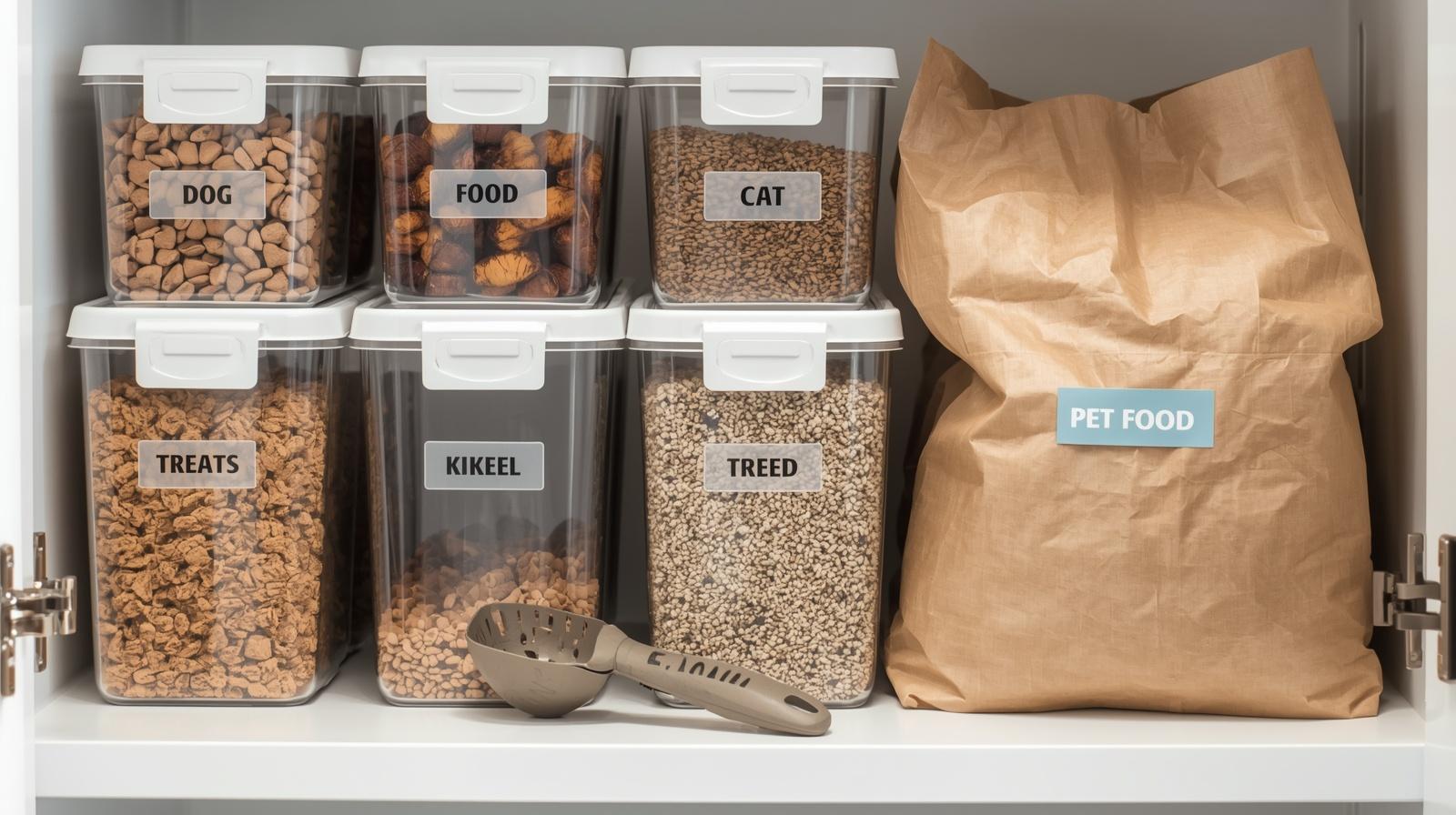
Label Everything
Simple labels make daily feeding easier and help avoid confusion if you store multiple food types.
Store Scoops Separately
Keeping scoops outside the container helps reduce contamination from oils and crumbs.
Rotate Older Food First
Use older kibble before opening a new bag to reduce waste and maintain freshness.
Simple Pet Food Storage Setup Ideas
Storage Type Best For Style Airtight plastic bins Everyday storage Minimal Metal containers Farmhouse kitchens Rustic Pull-out drawers Hidden storage Modern Glass jars Treat storage Aesthetic Rolling carts Small apartments Functional
Frequently Asked Question's
What is the best way to store pet food?
Store pet food in airtight containers placed in cool and dry areas.
Can pet food stay in its original bag?
Yes, many experts recommend placing the entire bag inside an airtight container.
How long does dry pet food stay fresh after opening?
Most dry pet food stays fresh for about 4–6 weeks after opening.
Are plastic pet food containers safe?
Food-grade BPA-free containers are generally safe for dry kibble storage.
How do I organize pet food in a small apartment?
Use vertical shelves, rolling carts, and hidden bench storage to save space.

Flora Banks
Editor in Chief & General Manager
Flora Banks serves as the Editor in Chief & General Manager, combining her passion for storytelling with strong leadership.
View Bio >