

Running a pet products business can be rewarding, but knowing your actual profit margin is critical to keeping your business sustainable. Many sellers underestimate costs, which can drastically cut into profits. This guide breaks down how to calculate your profit margin for pet products, with practical examples and strategies to maximize earnings.
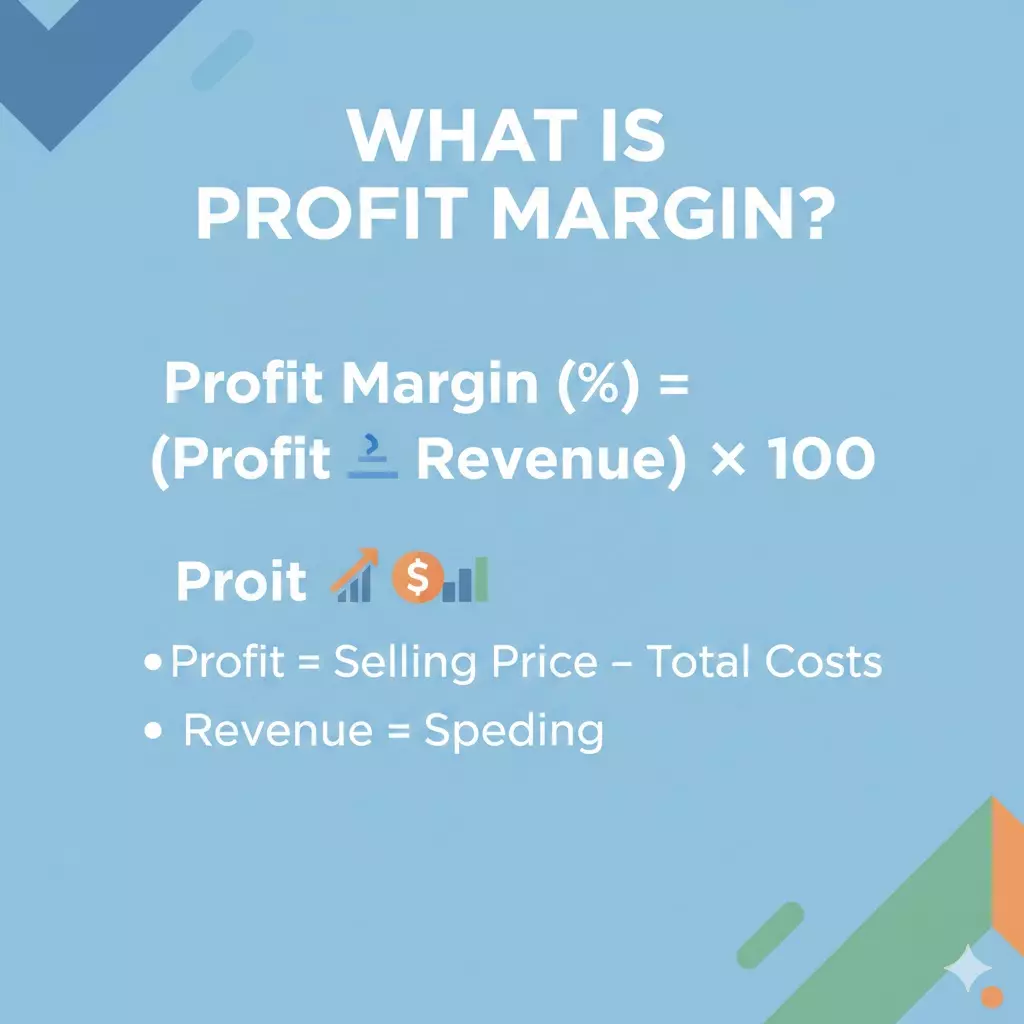
Profit margin measures how much profit you make from selling a product after covering all costs. It is usually expressed as a percentage:
Profit Margin (%) = (Profit ÷ Revenue) × 100
Where:
- Profit = Selling Price – Total Costs
- Revenue = Selling Price
For pet products, total costs include production/purchase costs, shipping, marketplace fees, packaging, and marketing expenses.
Step 1: Calculate Your Total Costs
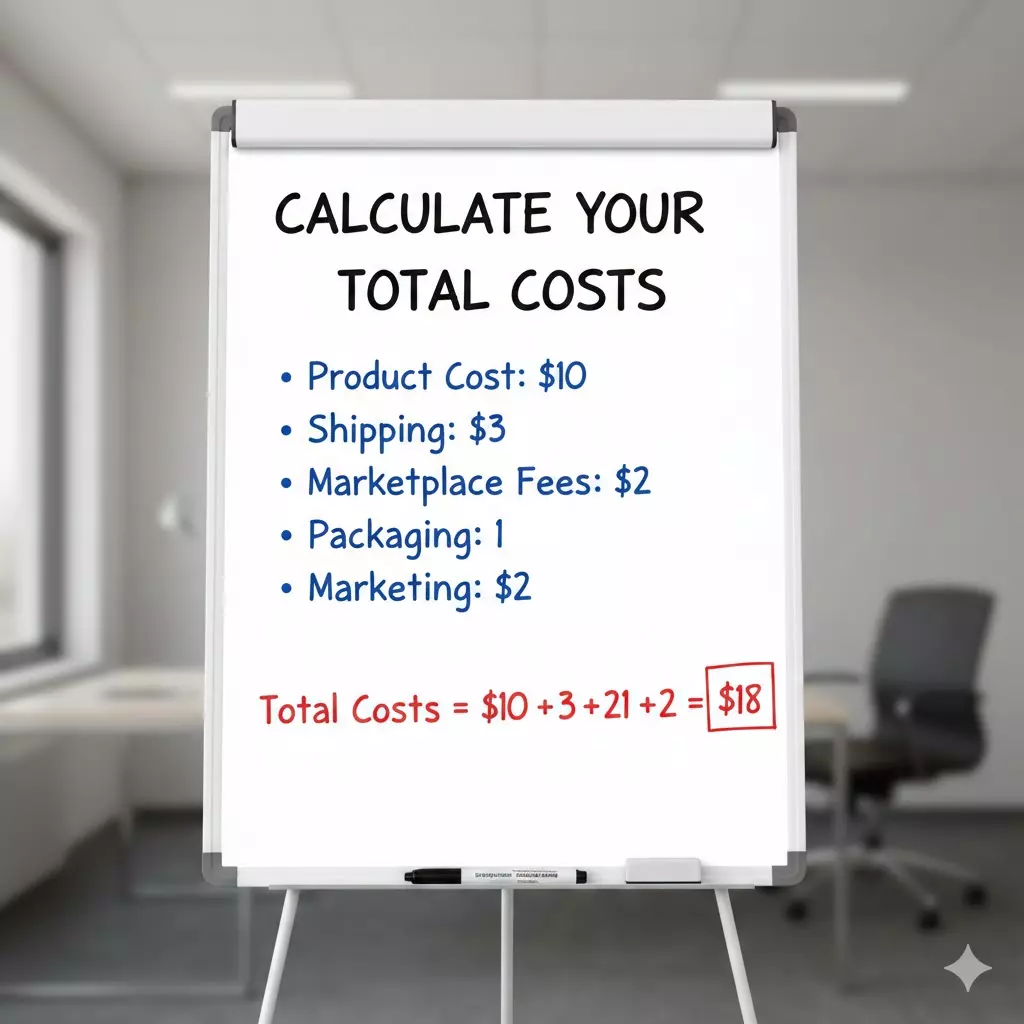
When calculating your profit margin, you need an accurate total cost for each product. Common costs for pet products include:
- Wholesale or Manufacturing Cost – How much you pay per unit.
- Shipping and Handling – Delivery cost from supplier to you or to customers.
- Marketplace Fees – Fees from Amazon, eBay, Etsy, or your e-commerce platform.
- Packaging – Boxes, labels, inserts, or eco-friendly materials.
- Marketing – Ads, promotions, or influencer partnerships.
Example:
You sell a premium dog toy for $25. Your costs are:
- Product Cost: $10
- Shipping: $3
- Marketplace Fees: $2
- Packaging: $1
- Marketing: $2
Total Costs = $10 + $3 + $2 + $1 + $2 = $18
Step 2: Calculate Profit
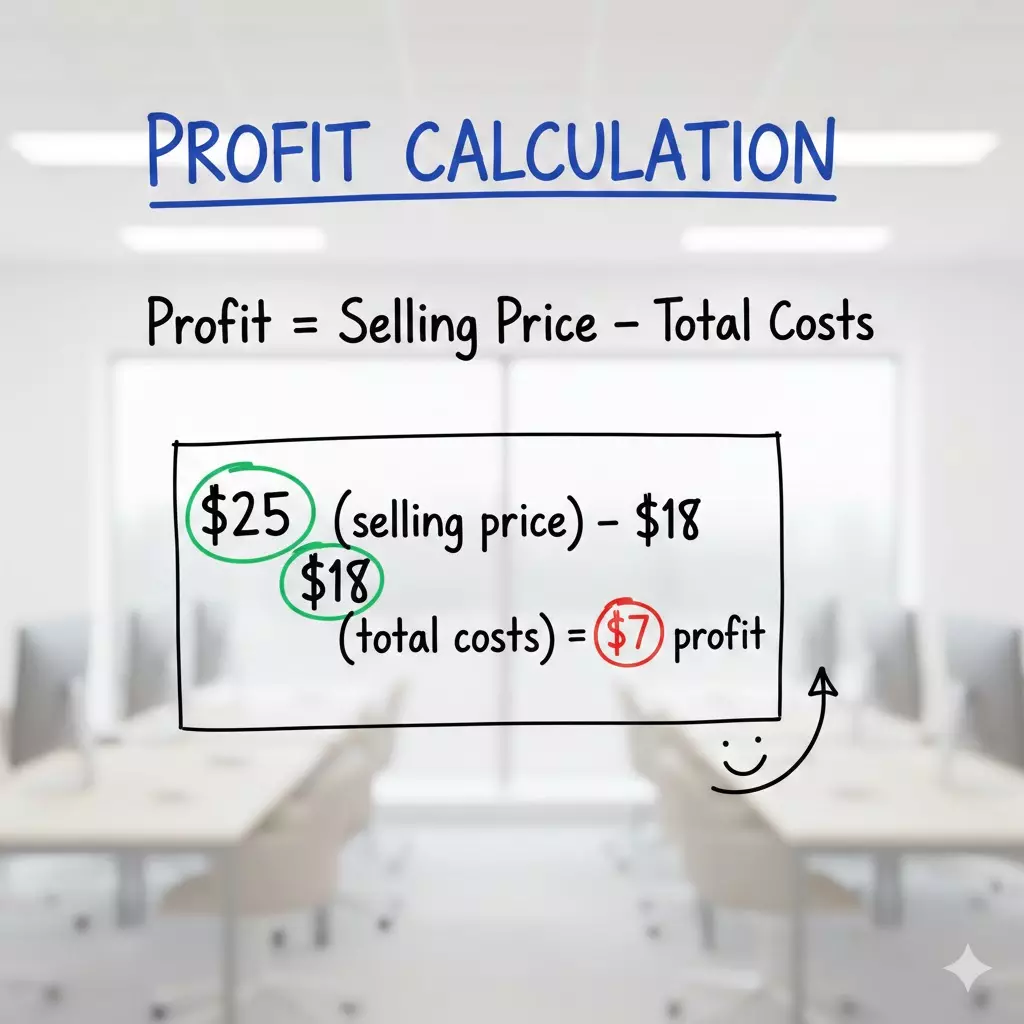
Profit is the difference between your selling price and total costs.
Profit = Selling Price – Total Costs
Example:
$25 (selling price) – $18 (total costs) = $7 profit
Step 3: Calculate Profit Margin
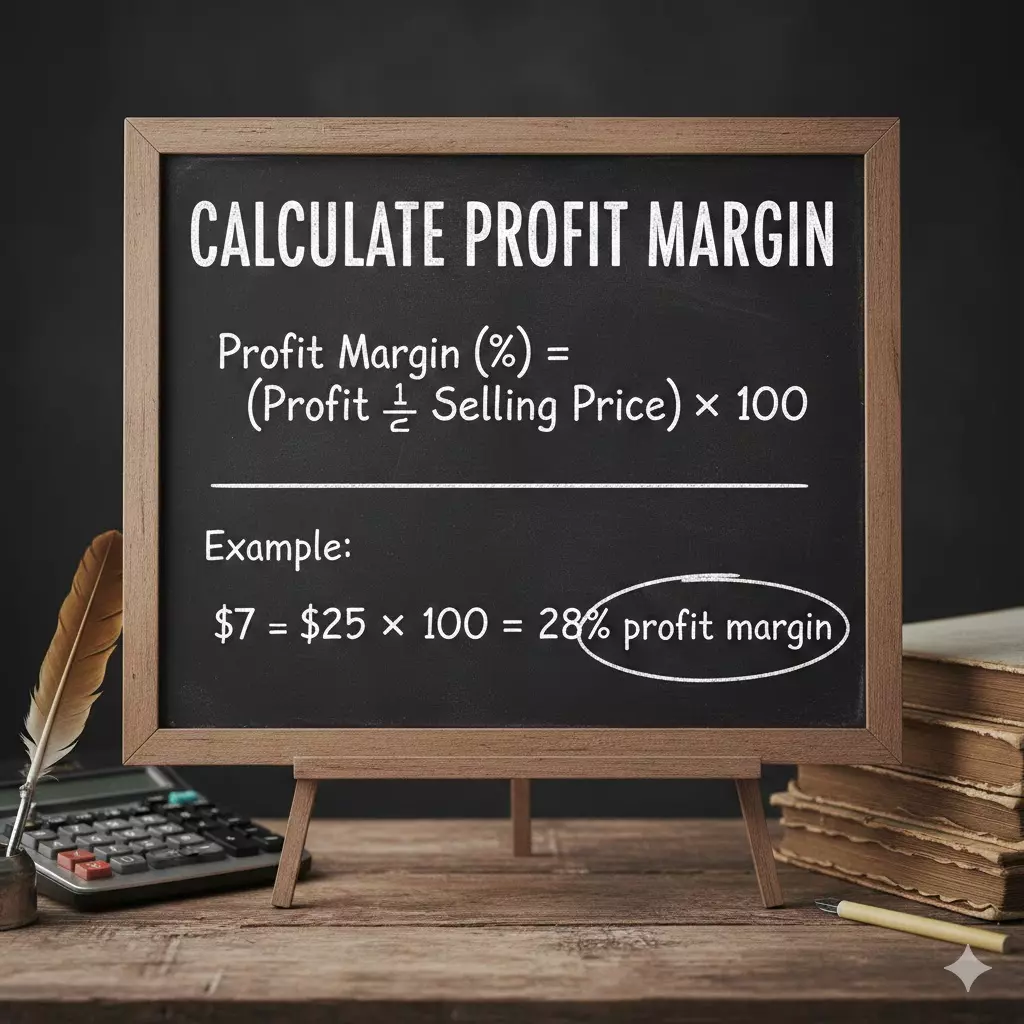
Now, convert profit into a percentage to understand your margin:
Profit Margin (%) = (Profit ÷ Selling Price) × 100
Example:
$7 ÷ $25 × 100 = 28% profit margin
This means for every $25 toy sold, $7 is your net profit.
Step 4: Analyze and Optimize
Once you know your profit margin, you can:
- Compare Products: Identify which products are more profitable.
- Adjust Pricing: Increase selling price if margin is too low.
- Reduce Costs: Negotiate supplier prices or improve packaging efficiency.
- Account for Fees: Include all platform fees to avoid surprises.
Common Mistakes Pet Sellers Make
- Ignoring hidden fees – Shipping, marketplace fees, and payment processing matter.
- Using only markup – Markup is different from margin; always calculate margin for accuracy.
- Neglecting marketing costs – Ads and promotions impact overall profitability.
Profit Margin Example Table for Pet Products
| Product | Selling Price | Total Costs | Profit | Profit Margin (%) |
|---|---|---|---|---|
| Dog Toy | $25 | $18 | $7 | 28% |
| Cat Scratching Post | $50 | $30 | $20 | 40% |
| Pet Bed | $80 | $60 | $20 | 25% |
Tools to Calculate Profit Margin
- Excel or Google Sheets – Simple formulas for bulk products.
- Online Profit Margin Calculators – Quickly calculate margins and markups.
- E-commerce Apps – Shopify, Amazon, or eBay provide built-in reporting tools.
FAQ
What is the Difference Between Markup and Profit Margin?
Markup is the percentage increase on cost, while profit margin is the percentage of selling price that is profit.
Should I include Marketing Costs in Margin Calculation?
Yes, all costs directly related to selling the product should be included.
What is a Good Profit Margin for Pet Products?
It varies, but generally 25–40% is healthy for most retail pet products.
How do Fees Affect Profit Margin?
Platform or marketplace fees reduce profit, so always factor them into your calculations.
Can I Calculate Margin for Multiple Products at Once?
Yes, using spreadsheets or e-commerce analytics tools makes it easier.
Bottom Line
Knowing your profit margin helps you price your pet products correctly, avoid losses, and grow your business. Always include all costs, calculate your profit, and track margin regularly to make informed decisions.