
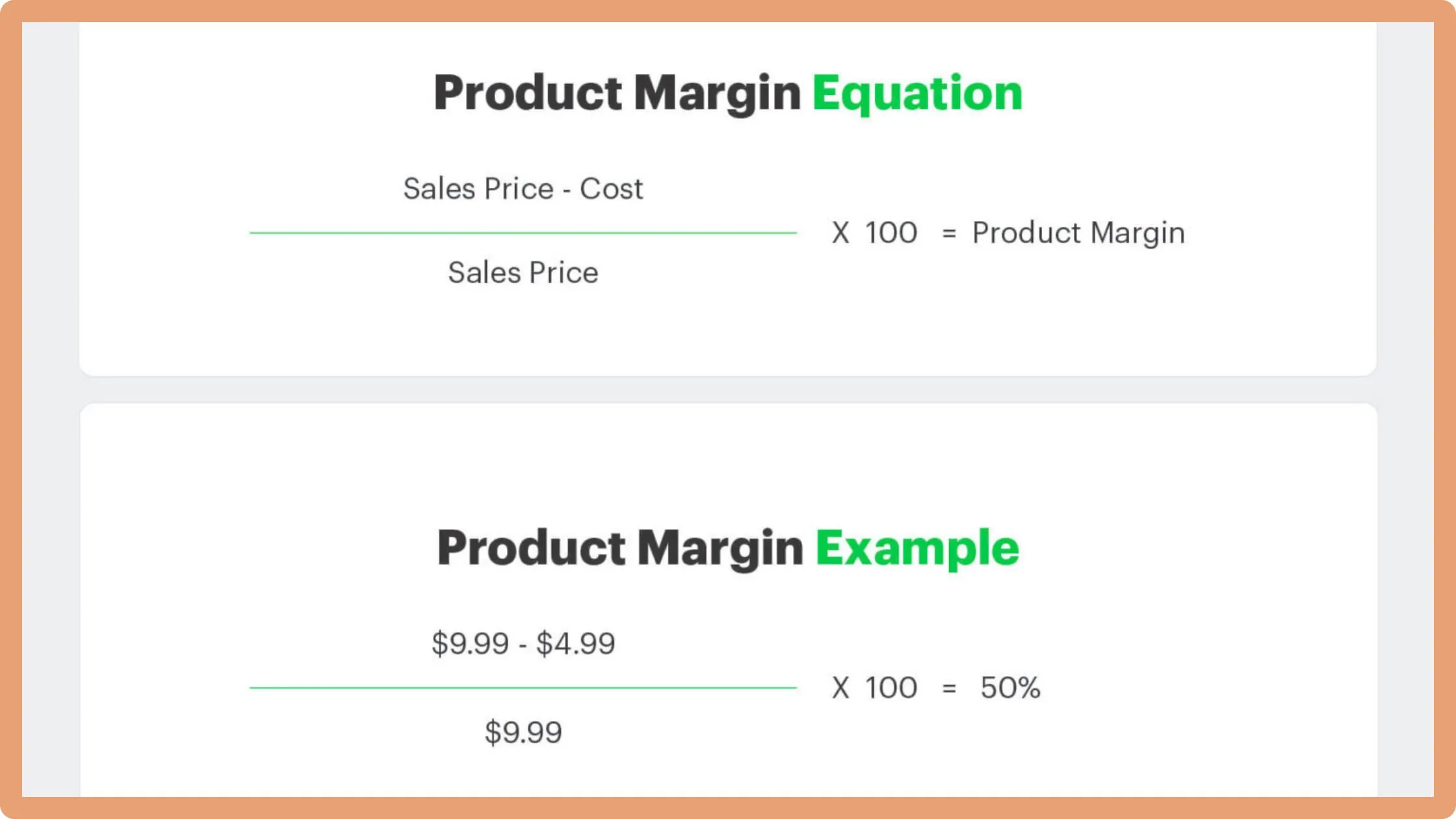

Running a profitable business requires more than just making sales it demands a clear understanding of your profit margins. Whether you’re a startup founder, e-commerce seller, or seasoned entrepreneur, knowing how to calculate profit margin is essential for pricing strategies, financial health assessment, and long-term sustainability.
In this comprehensive guide, we’ll walk you through everything you need to know about profit margin calculations, from basic formulas to advanced applications.
What Is Profit Margin?
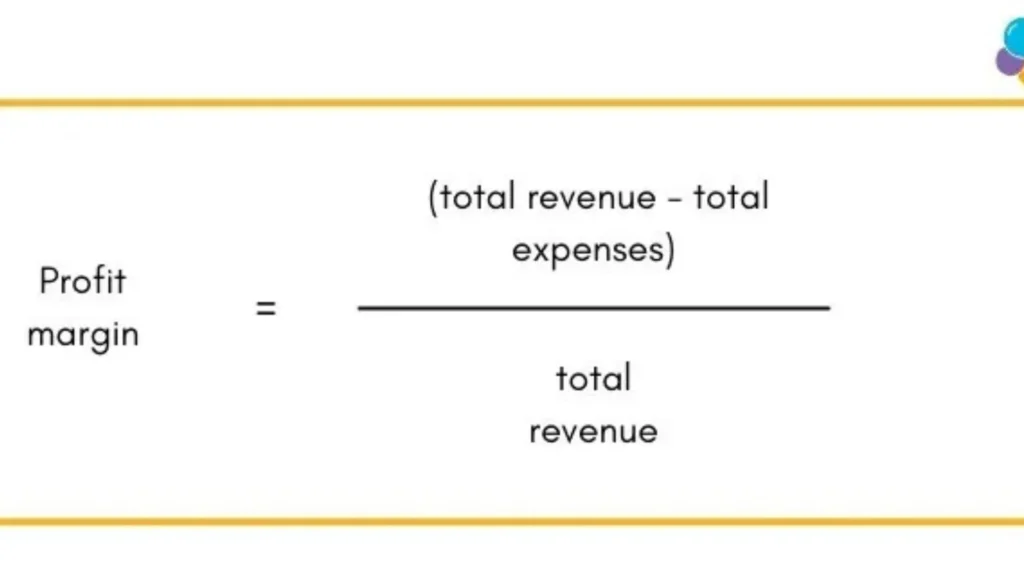
Profit margin is a financial metric that measures the percentage of revenue that remains as profit after deducting all costs. It tells you how much profit your business makes for every dollar of sales, making it one of the most important indicators of business performance and pricing effectiveness.
Understanding the Different Types of Profit Margins
Before diving into calculations, it’s crucial to understand that there are three main types of profit margins:
Gross Profit Margin
Gross profit margin measures the profitability of your products before accounting for operating expenses. It focuses solely on the direct costs of producing or acquiring your products.
Formula: (Revenue – Cost of Goods Sold) / Revenue × 100
Operating Profit Margin
Operating profit margin includes operating expenses such as rent, utilities, salaries, and marketing costs, but excludes interest and taxes.
Formula: Operating Income / Revenue × 100
Net Profit Margin
Net profit margin is the most comprehensive metric, accounting for all expenses including operating costs, interest, taxes, and other expenditures.
Formula: Net Income / Revenue × 100
How to Calculate Profit Margin: Step-by-Step Guide
Step 1: Determine Your Revenue
Revenue is the total amount of money generated from sales before any deductions. For a single product, this is simply:
Revenue = Selling Price × Number of Units Sold
Example: If you sell a product for $50 and sell 100 units, your revenue is $5,000.
Step 2: Calculate Your Cost of Goods Sold (COGS)
COGS includes all direct costs associated with producing or acquiring your product:
- Raw materials
- Manufacturing costs
- Packaging
- Shipping to your warehouse
- Direct labor costs
Example: If each unit costs $20 to produce, and you sold 100 units, your COGS is $2,000.
Step 3: Apply the Profit Margin Formula
For gross profit margin (the most commonly used for individual products):
Profit Margin = [(Revenue – COGS) / Revenue] × 100
Example:
- Revenue: $5,000
- COGS: $2,000
- Profit Margin = [($5,000 – $2,000) / $5,000] × 100 = 60%
This means you keep 60 cents as gross profit for every dollar of sales.
Step 4: Include Operating Expenses (Optional)
For a more comprehensive view, subtract operating expenses:
Net Profit Margin = [(Revenue – COGS – Operating Expenses) / Revenue] × 100
Example:
- Revenue: $5,000
- COGS: $2,000
- Operating Expenses: $1,500
- Net Profit Margin = [($5,000 – $2,000 – $1,500) / $5,000] × 100 = 30%
Profit Margin vs. Markup: Understanding the Difference
Many business owners confuse profit margin with markup, but they’re distinctly different:
Markup is the percentage added to the cost to determine the selling price:
- Formula: [(Selling Price – Cost) / Cost] × 100
Profit Margin is the percentage of the selling price that is profit:
- Formula: [(Selling Price – Cost) / Selling Price] × 100
Example:
- Cost: $20
- Selling Price: $50
- Markup: ($50 – $20) / $20 × 100 = 150%
- Profit Margin: ($50 – $20) / $50 × 100 = 60%
Benefits of Calculating Profit Margin Regularly
1. Informed Pricing Decisions
Understanding your profit margins helps you set competitive prices while ensuring profitability. You can confidently adjust prices based on market conditions without sacrificing your bottom line.
2. Financial Health Monitoring
Regular profit margin analysis acts as an early warning system for financial troubles. Declining margins signal the need for cost reduction or price adjustments before problems become critical.
3. Product Performance Comparison
Calculating margins for different products reveals which items are most profitable, allowing you to focus resources on high-performing products and consider discontinuing or repricing low-margin items.
4. Better Investment Decisions
Profit margins help you evaluate whether investing in new product lines, equipment, or marketing campaigns makes financial sense.
5. Competitive Benchmarking
Comparing your margins against industry standards helps you understand your competitive position and identify areas for improvement.
6. Improved Cash Flow Management
Understanding margins helps you predict cash flow more accurately and plan for inventory purchases, staffing, and other expenses.
7. Enhanced Negotiation Power
Armed with profit margin data, you can negotiate more effectively with suppliers, knowing exactly how much you can afford to pay while maintaining profitability.
Pros and Cons of Different Profit Margin Types
Gross Profit Margin
Pros:
- Simple to calculate with minimal data requirements
- Directly reflects product pricing efficiency
- Useful for quick product-level decisions
- Easy to compare across different products
- Helps identify production cost issues
Cons:
- Ignores operating expenses and overhead
- Can be misleading if overhead costs are significant
- Doesn’t reflect true business profitability
- May encourage neglecting operational efficiency
Net Profit Margin
Pros:
- Provides complete picture of overall profitability
- Accounts for all business expenses
- Most accurate measure of financial health
- Preferred by investors and lenders
- Reflects tax efficiency and financial management
Cons:
- More complex to calculate
- Requires comprehensive financial data
- Can be influenced by one-time events
- Less useful for product-level decisions
- May obscure product-specific issues
Operating Profit Margin
Pros:
- Balances comprehensiveness and simplicity
- Excludes non-operational factors
- Good for comparing operational efficiency
- Useful for management decision-making
- Reflects core business performance
Cons:
- Still ignores some important costs
- Can vary based on accounting methods
- Not as comprehensive as net profit margin
- May not satisfy investor requirements
What Is a Good Profit Margin?
Profit margins vary significantly by industry:
- Software/SaaS: 70-90%
- Retail (general): 2-5%
- Grocery stores: 1-3%
- Restaurants: 3-5%
- Automotive: 2-5%
- Jewelry: 40-60%
- Construction: 5-10%
- Consulting services: 15-30%
- E-commerce: 5-20%
Key Insight: A “good” margin depends on your industry, business model, and growth stage. Focus on improving your margins over time and maintaining them above industry averages.
Common Mistakes to Avoid When Calculating Profit Margin
1. Forgetting Hidden Costs
Don’t overlook shipping, payment processing fees, returns, damages, or storage costs. These can significantly impact your true profit margin.
2. Confusing Margin with Markup
Using markup formulas when you need margin calculations (or vice versa) leads to incorrect pricing decisions.
3. Ignoring Time-Based Changes
Costs fluctuate due to inflation, supplier changes, or seasonal variations. Calculate margins regularly, not just once.
4. Using Inconsistent Time Periods
Ensure your revenue and costs cover the same time period for accurate calculations.
5. Neglecting Volume Impact
Higher volumes often reduce per-unit costs. Calculate margins at different volume levels for accurate projections.
Tools and Methods for Profit Margin Calculation
Spreadsheet Templates
Excel or Google Sheets templates allow you to:
- Create reusable formulas
- Track margins over time
- Compare multiple products
- Generate visual reports
Accounting Software
Platforms like QuickBooks, Xero, or FreshBooks automatically:
- Calculate margins from transaction data
- Generate profit margin reports
- Track trends over time
- Integrate with other financial metrics
Online Profit Margin Calculators
Free web-based calculators provide:
- Quick one-time calculations
- Educational value for learning
- No setup required
- Limited historical tracking
Custom Business Intelligence Tools
Advanced solutions like Tableau or Power BI offer:
- Real-time margin tracking
- Multi-dimensional analysis
- Predictive analytics
- Custom dashboards
How to Improve Your Profit Margins
1. Reduce Cost of Goods Sold
- Negotiate better rates with suppliers
- Buy in larger quantities for volume discounts
- Find alternative suppliers
- Improve production efficiency
- Reduce waste and defects
2. Increase Prices Strategically
- Add value to justify higher prices
- Implement tiered pricing structures
- Test price increases on segments
- Bundle products for perceived value
- Focus on value communication, not just price
3. Optimize Operating Expenses
- Automate repetitive tasks
- Renegotiate service contracts
- Reduce energy consumption
- Outsource non-core functions
- Implement lean management practices
4. Focus on High-Margin Products
- Promote profitable products more heavily
- Phase out or repriced low-margin items
- Develop premium product lines
- Create product bundles strategically
5. Improve Inventory Management
- Reduce carrying costs
- Minimize deadstock
- Implement just-in-time ordering
- Use data to forecast demand accurately
Frequently Asked Questions (FAQs)
What’s the difference between profit margin and profit?
Profit is the absolute dollar amount you earn (Revenue – Costs), while profit margin is the percentage of revenue that becomes profit. For example, $1,000 profit on $10,000 revenue is a 10% profit margin.
How often should I calculate profit margins?
Calculate product-level gross margins monthly or whenever costs change. Review net profit margins quarterly for comprehensive business health assessments. E-commerce businesses may benefit from weekly calculations.
Can profit margin be negative?
Yes. A negative profit margin means you’re losing money on each sale—your costs exceed your revenue. This is unsustainable long-term and requires immediate corrective action.
What profit margin do I need to stay in business?
At minimum, you need a positive net profit margin. Ideally, aim for margins above your industry average. Consider your fixed costs, desired growth rate, and capital requirements when setting margin targets.
How do I calculate profit margin for services vs. products?
The formula is the same, but for services, your “COGS” includes direct labor costs, subcontractor fees, and materials used. Operating expenses include overhead like office space and administrative salaries.
Should I focus on profit margin or profit amount?
Both matter. High margins indicate efficiency and pricing power, while high absolute profits fund growth and provide returns. A balanced approach considers both metrics based on your business stage and goals.
How does sales volume affect profit margin?
Higher volumes can improve margins through economies of scale (lower per-unit costs) but may require price reductions to achieve. The optimal balance depends on your cost structure and market conditions.
What if my competitor has lower prices but I have higher margins?
Higher margins provide flexibility for marketing, R&D, and customer service investments. You can compete on value, quality, and experience rather than just price. Focus on your competitive advantages.
How do I account for discounts and promotions in margin calculations?
Use the actual discounted selling price in your calculations. If you sold a $100 product for $80 after a discount, use $80 as your revenue figure for accurate margin calculation.
Can I have different margins for different customer segments?
Yes. B2B customers might receive volume discounts (lower margins), while retail customers pay full price (higher margins). Calculate blended margins across segments or track them separately for detailed insights.
Bottom Line
Calculating profit margin is not just an accounting exercise—it’s a critical business skill that directly impacts your company’s success and sustainability. By understanding the different types of profit margins, applying the correct formulas, and regularly analyzing your results, you gain powerful insights into your business performance.
Key Takeaways:
- Know your formulas: Master gross, operating, and net profit margin calculations for comprehensive financial visibility
- Calculate regularly: Monthly product-level reviews and quarterly comprehensive analyses keep you informed and agile
- Context matters: Compare your margins to industry benchmarks, not just absolute numbers
- Take action: Use margin insights to inform pricing, cost management, and strategic decisions
- Monitor trends: Track changes over time to catch problems early and capitalize on opportunities
Remember, a healthy profit margin provides the foundation for business growth, competitive resilience, and long-term success. Start calculating your profit margins today, and use these insights to build a more profitable, sustainable business.
Whether you’re pricing your first product or optimizing an established business, profit margin calculation is your compass for navigating the complex landscape of business profitability. Master this skill, and you’ll make better decisions, avoid common pitfalls, and build a thriving enterprise that stands the test of time.