
Introduction
Running a wine business, whether a wine store, bar, or online wine shop, is rewarding but financially complex. Profitability depends on understanding how much profit each bottle generates. A wine GP (Gross Profit) calculator is the perfect tool for this. This calculator helps wine business owners determine profit margins by accounting for the cost of goods, selling price, taxes, and other expenses. It simplifies financial planning, allowing store owners and bar managers to make data-driven pricing decisions.
Wine profit margins can vary depending on the type of wine, sourcing costs, seasonal demand, and operational overhead. Without accurate tracking, even high-selling products might reduce overall revenue. The wine GP calculator helps prevent that by giving a clear picture of your gross profit per bottle.
By using this tool, you can identify high-margin wines, optimize pricing strategies, and improve inventory management. This guide covers everything: what a wine GP calculator is, why margins matter, how to use it effectively, key factors affecting profit, a comparison table, and FAQs. By the end, you’ll understand how to maximize profits in your wine business efficiently.
What Is a Wine GP Calculator?
Definition and Purpose
A wine GP calculator is a tool used to determine the gross profit of wine products. Unlike generic calculators, it factors in wine-specific costs such as wholesale price, shipping, taxes, and storage fees.
How It Works
Input the cost of wine, selling price, and additional expenses into the calculator. It outputs the gross profit and profit margin percentage.
Example: If a bottle of red wine costs $15 and sells for $25, the calculator shows a gross profit of $10, or a 40% margin.
Why Accuracy Matters
Manual calculations can miss hidden costs, leading to inaccurate margins. Using a calculator ensures you price wine appropriately, maximizing profits and maintaining competitiveness.

Why Profit Margins Matter in the Wine Business
Impact on Revenue and Growth
Profit margins reveal which wines generate the most revenue, allowing reinvestment in marketing, inventory, or premium offerings.
Seasonal and Event-Based Sales
Wine sales spike during holidays and special events. Understanding margins helps stock high-margin wines efficiently during peak periods.
Supplier Negotiations
Knowledge of margins allows better negotiations for bulk purchases, discounts, or exclusive selections.
How to Use a Wine GP Calculator Effectively
Step-by-Step Guide
- Enter all costs: wholesale price, shipping, taxes, storage, and labor.
- Input the selling price and calculate gross profit.
Common Mistakes to Avoid
- Ignoring taxes or overhead costs.
- Failing to adjust for seasonal fluctuations.
Leveraging Insights
Use the calculator to identify profitable wines, optimize pricing, and plan inventory strategically.
Key Factors That Affect Wine Profit Margins
Product Costs and Pricing
Wholesale price, packaging, and retail pricing affect gross profit.
Operational Costs
Staff wages, storage fees, and utilities influence net profitability.
Market Trends
Seasonal demand and customer preferences impact wine sales and margins.
Balancing Profit and Customer Value
Price wines competitively while ensuring sufficient margin for profit.
Tips to Maximize Wine Profits Using a Wine GP Calculator
Regularly Update Costs and Prices
- Reflect supplier cost changes and taxes.
Focus on High-Margin Wines
- Promote wines with the best margins.
Adjust Pricing Seasonally
- Optimize sales during peak periods.
Strategic Planning
- Track sales trends, competitor pricing, and hidden costs.
Key Points Summary
- Simplifies gross profit tracking.
- Identifies profitable and underperforming wines.
- Reduces errors from manual calculations.
- Supports strategic pricing, marketing, and inventory management.
- Essential for sustainable growth and revenue optimization.
Wine GP Table
| Wine Type | Cost Price | Selling Price | Gross Profit | Profit Margin | Notes |
|---|---|---|---|---|---|
| Red Wine | $15 | $25 | $10 | 40% | High-margin wine |
| White Wine | $12 | $20 | $8 | 40% | Popular selection |
| Rosé | $14 | $22 | $8 | 36% | Seasonal demand |
| Sparkling Wine | $18 | $30 | $12 | 40% | Premium product |
| Dessert Wine | $20 | $35 | $15 | 42.8% | Niche selection |
FAQs
How do I Calculate Wine Gross Profit?
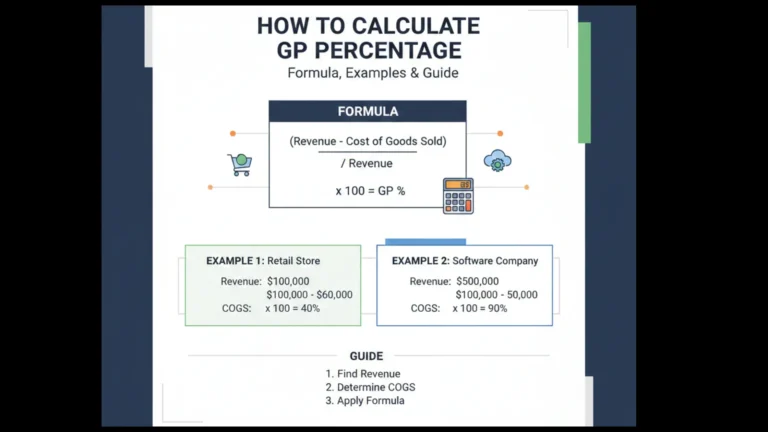
Subtract the cost from selling price, divide by selling price, and multiply by 100.
What is a Good Wine Profit Margin?
Most wine businesses target 35–45% per bottle depending on type and market.
Can I use this Calculator for online Wine Sales?
Yes, it works for both in-store and online pricing including all costs.
Should taxes be included in the Calculation?
Always include taxes to get accurate gross profit numbers.
How often should I update the Calculator?
Update whenever costs, selling prices, or taxes change.
Bottom Line
A wine GP calculator is essential for optimizing profits, managing inventory, and making strategic pricing decisions. Using this tool ensures sustainable growth and competitiveness in the wine industry. Start using it today to maximize your wine business profits.