
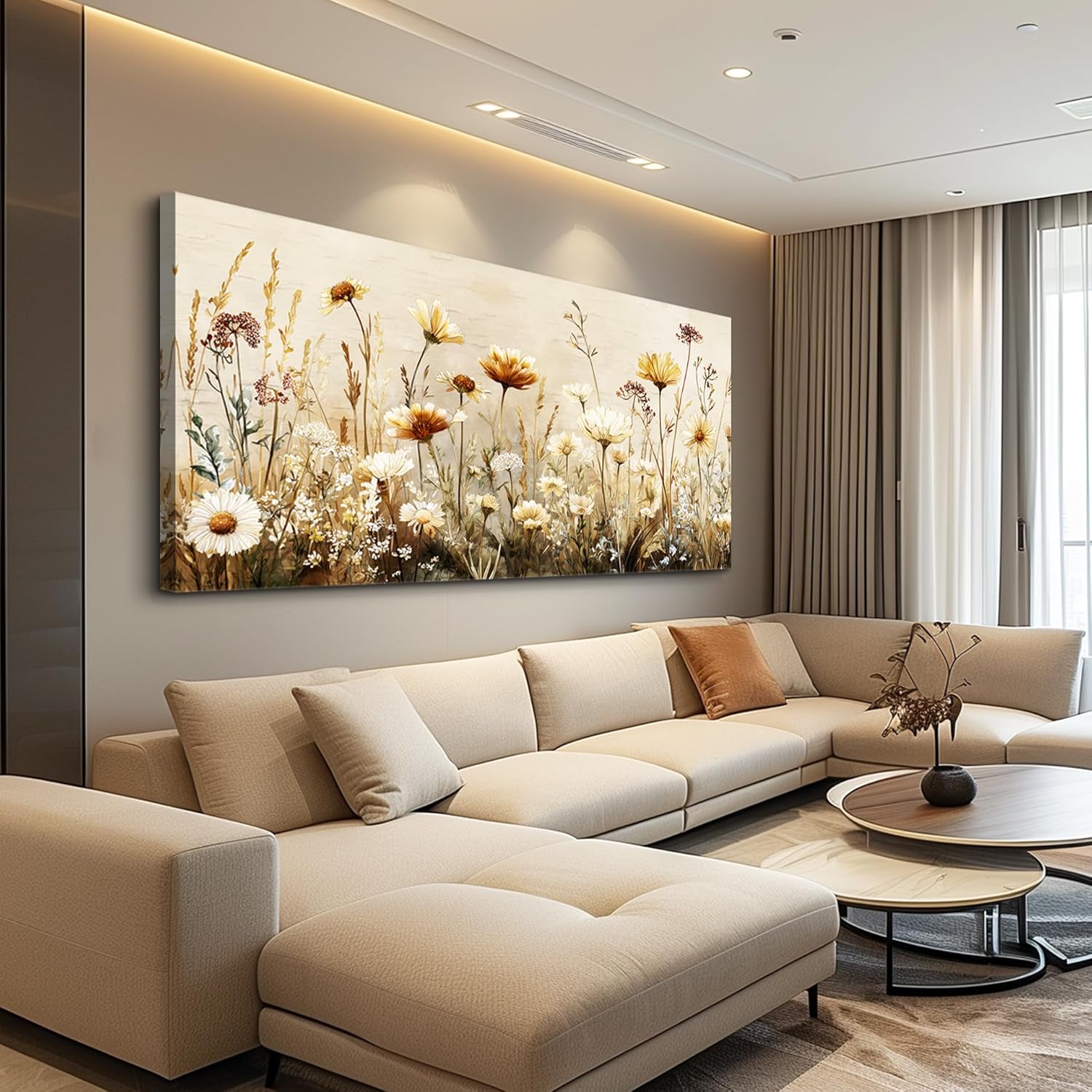
A living room sets the tone for the entire home, yet most spaces feel either overcrowded or unfinished. Poor layout choices, mismatched decor, and weak lighting often create visual imbalance. This guide breaks down practical living room decor ideas that focus on structure, comfort, and visual flow. You’ll learn how to style a modern space using layout rules, color balance, and decor layering without unnecessary complexity.
Living Room Decor Ideas
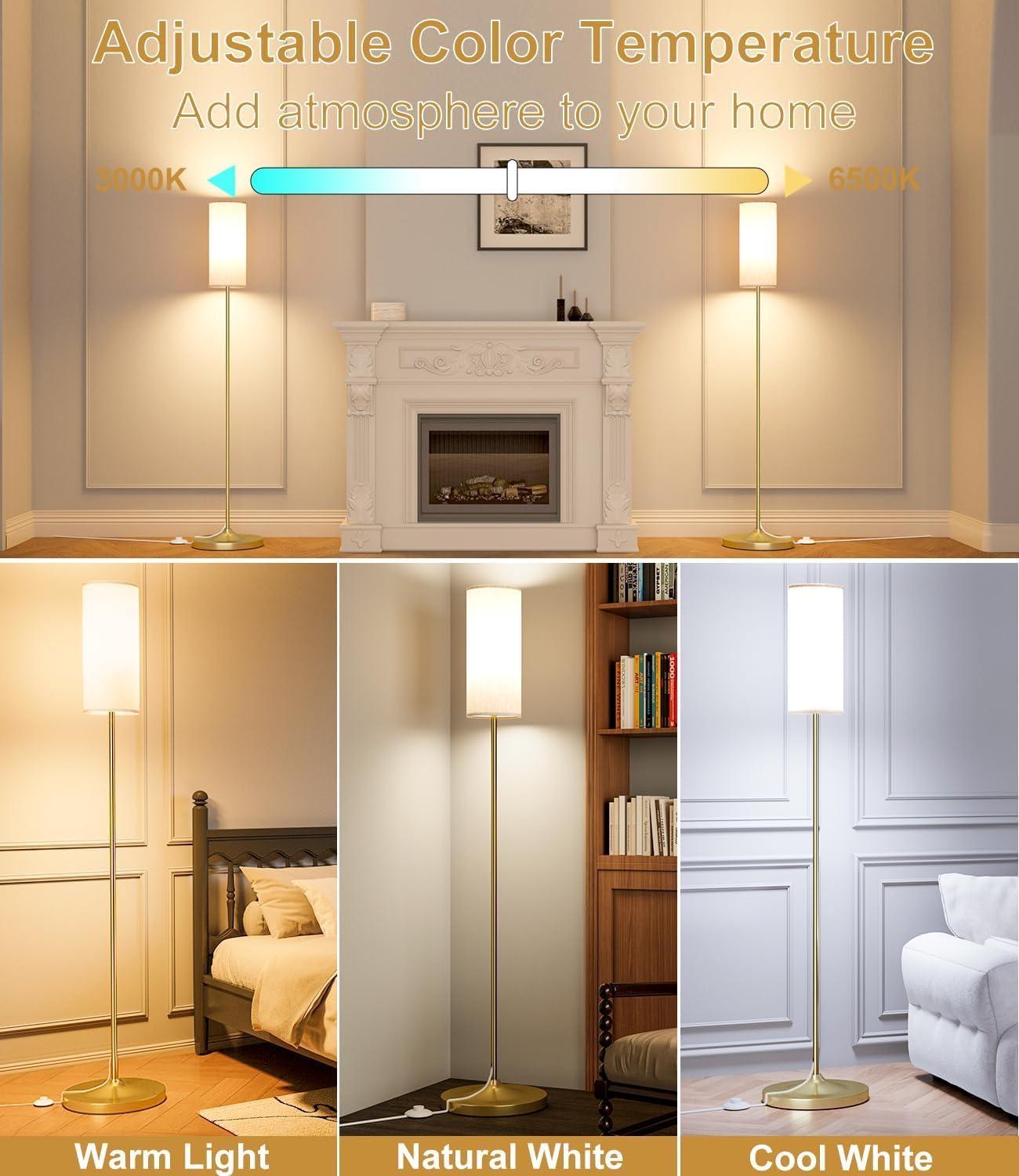
Living Room Decor Lamp
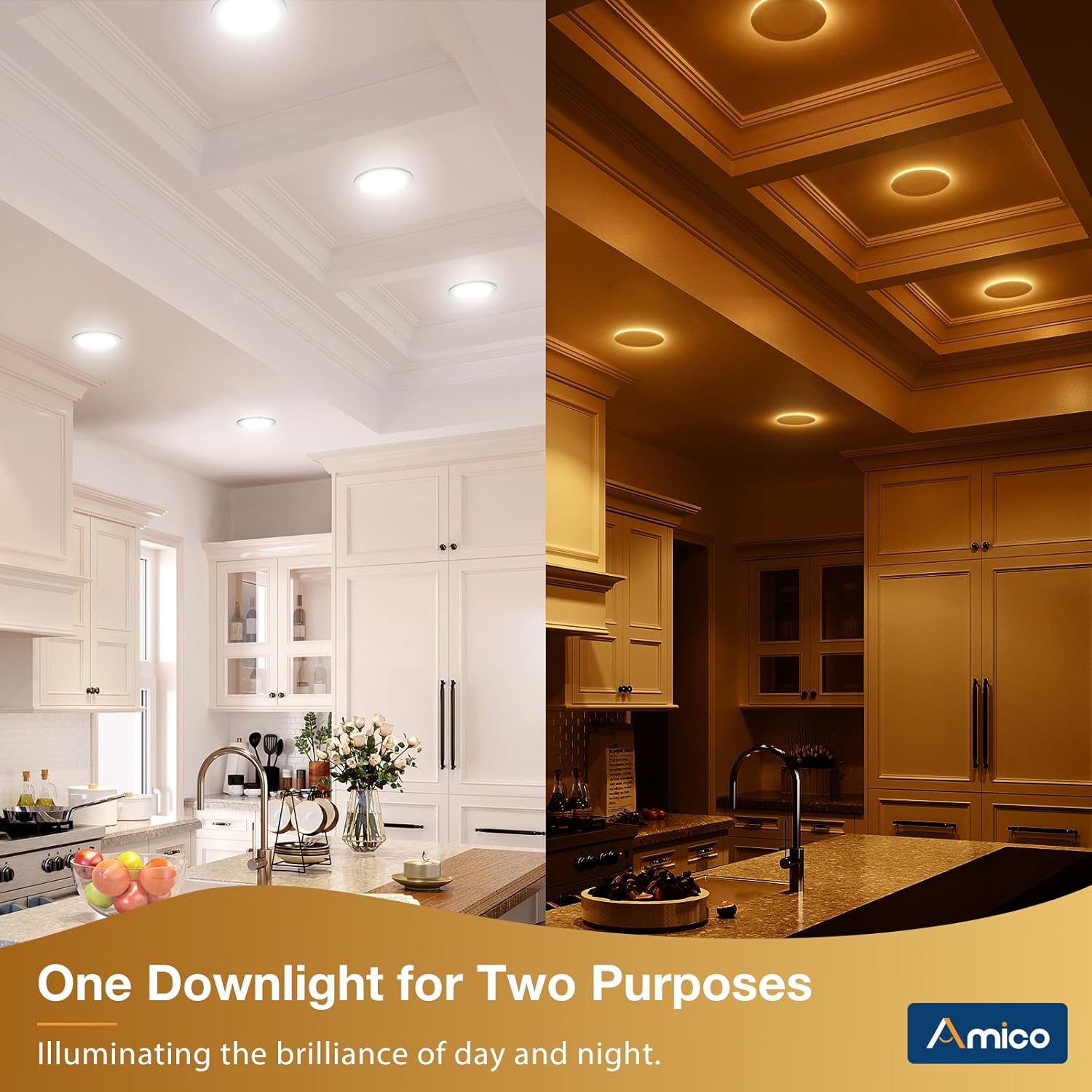
Living Room Decor Ideas Amico
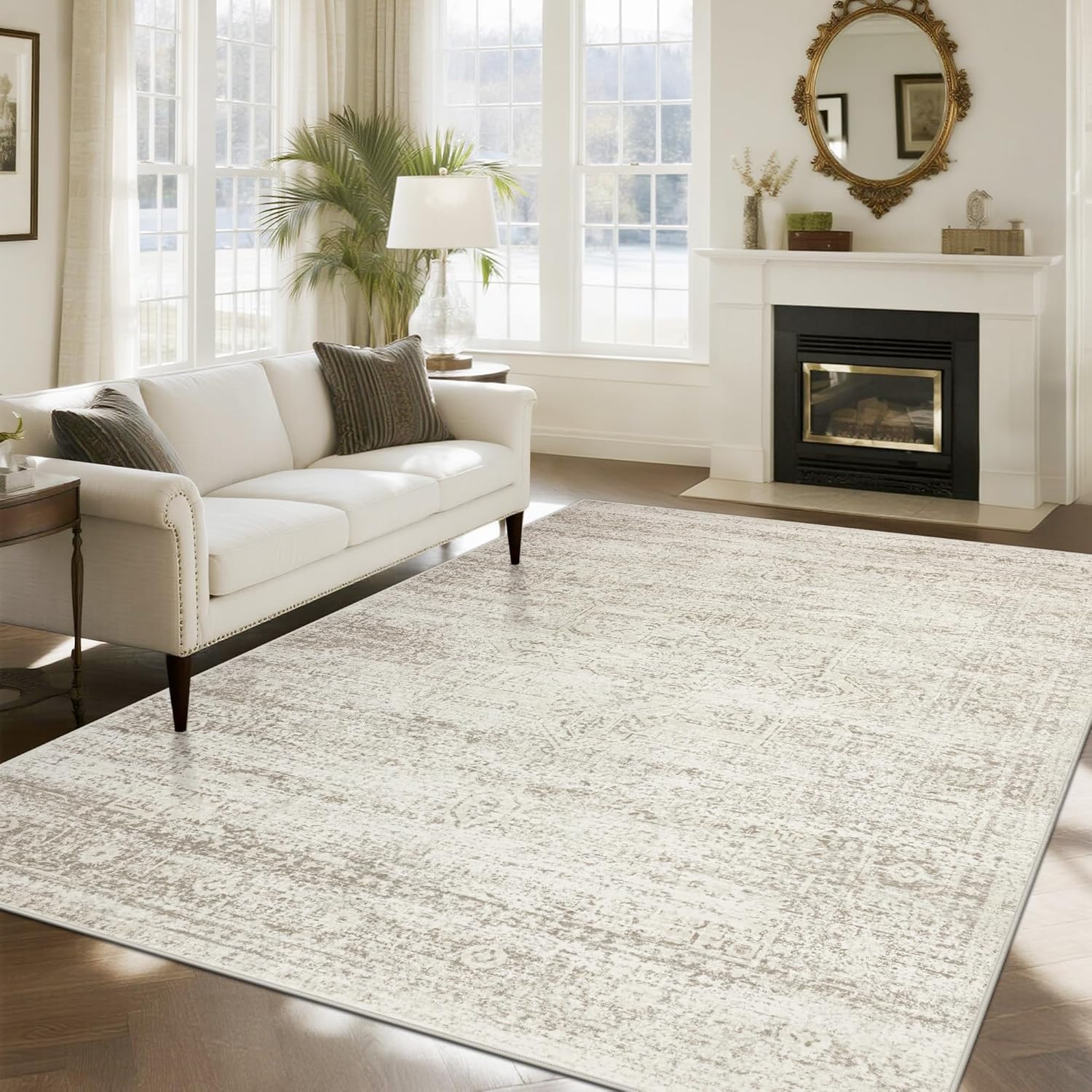
Living Room Decor Ideas Srugan Washable
1. Start With a Clear Living Room Layout
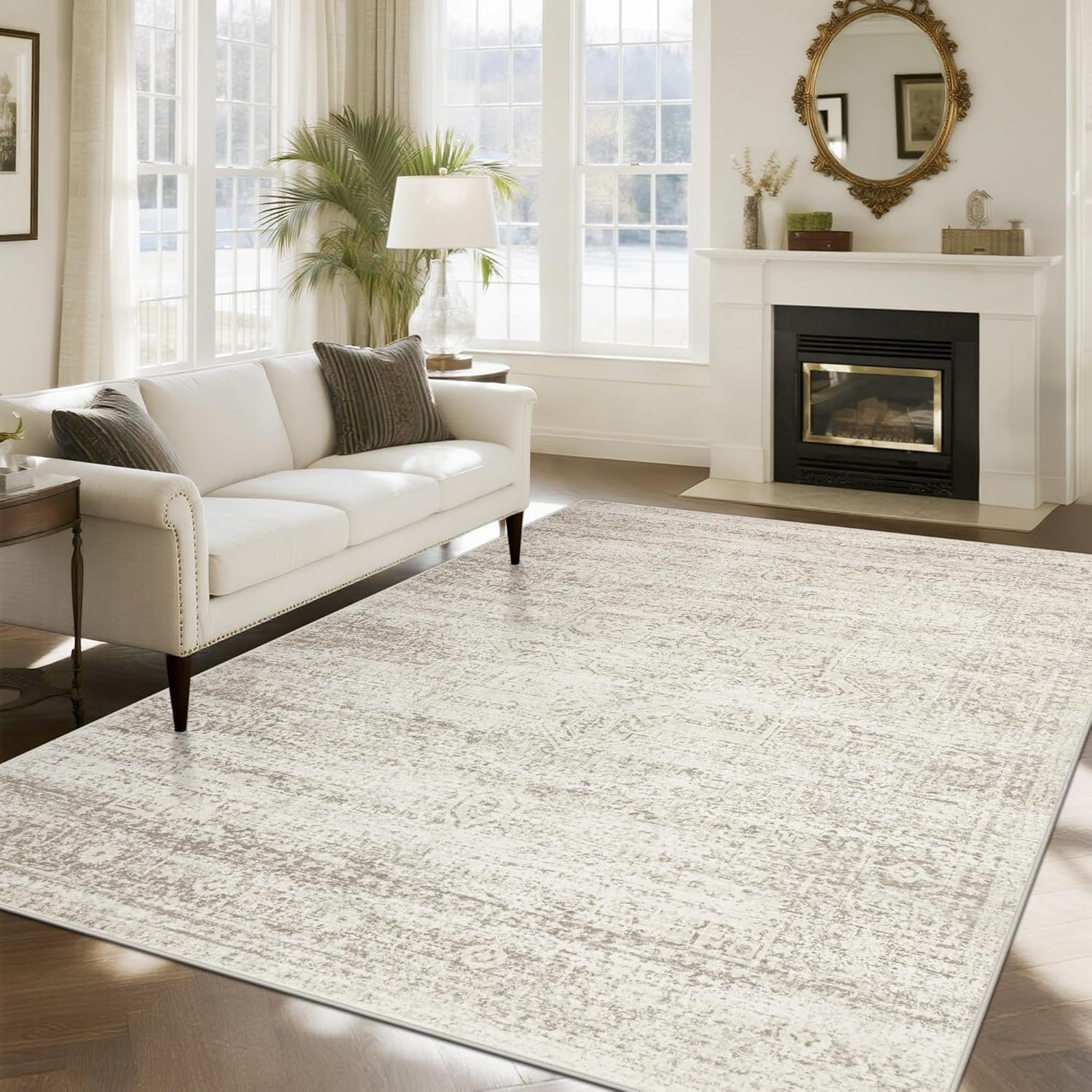
A strong living room design begins with layout clarity. Without it, even expensive decor feels disconnected. The goal is to create movement and balance across the space.
Place seating first. Sofas and chairs should face a natural focal point like a TV unit, fireplace, or feature wall. Avoid pushing all furniture against the walls unless the room is very small.
Use a central anchor like a coffee table or rug. This keeps the seating zone visually unified. Rugs should be large enough to sit under front legs of sofas and chairs.
Leave walking space between furniture zones. Tight layouts reduce comfort and make rooms feel smaller.
2. Build a Color Palette That Controls Mood
Color defines how a living room feels before any decor is added. A controlled palette creates harmony.
Start with a base color: white, beige, or soft grey. Add one dominant tone like olive green, navy, or terracotta. Finish with one accent shade for contrast.
Neutral bases allow flexibility with furniture changes. Bold accent colors should stay limited to cushions, art, or small decor pieces.
Avoid mixing too many strong tones. It breaks visual consistency and makes the space feel cluttered.
Reference ideas from:
- IKEA home styling collections
- Better Homes & Gardens interior guides
- HGTV room transformation ideas
3. Layer Lighting for Depth and Comfort
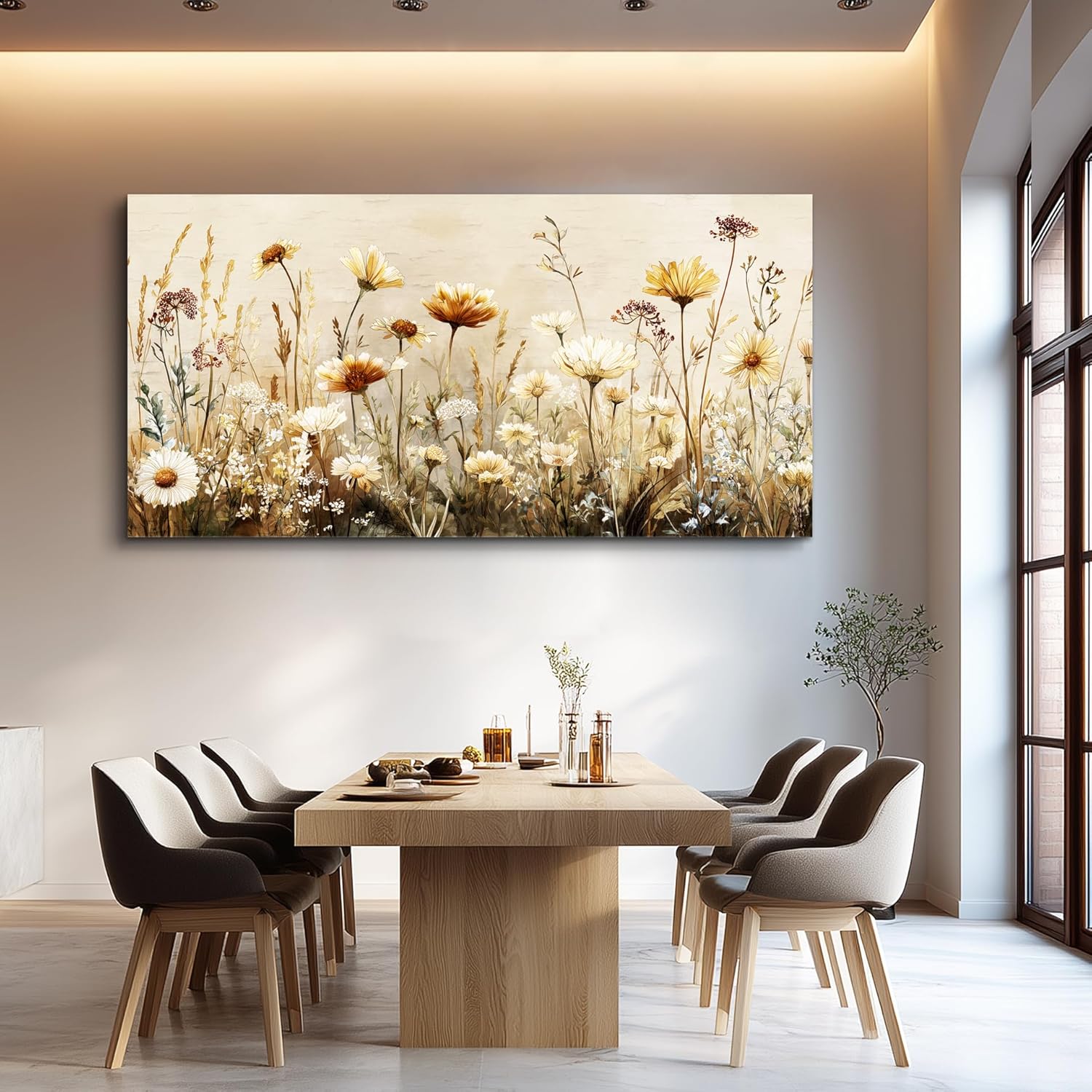
Lighting controls the atmosphere more than any decor element. A single ceiling light creates flat visuals.
Use three lighting layers:
- Ambient lighting (ceiling lights)
- Task lighting (reading lamps)
- Accent lighting (LED strips, wall lights)
Floor lamps near sofas add warmth. Table lamps create softer evening tones. Accent lighting highlights wall art or shelves.
Warm white light works best for living rooms because it reduces harsh contrast and supports relaxation.
4. Use Wall Decor to Create a Focal Point
Walls should carry visual weight without overwhelming the room. A blank wall often feels incomplete, while over-decorating creates noise.
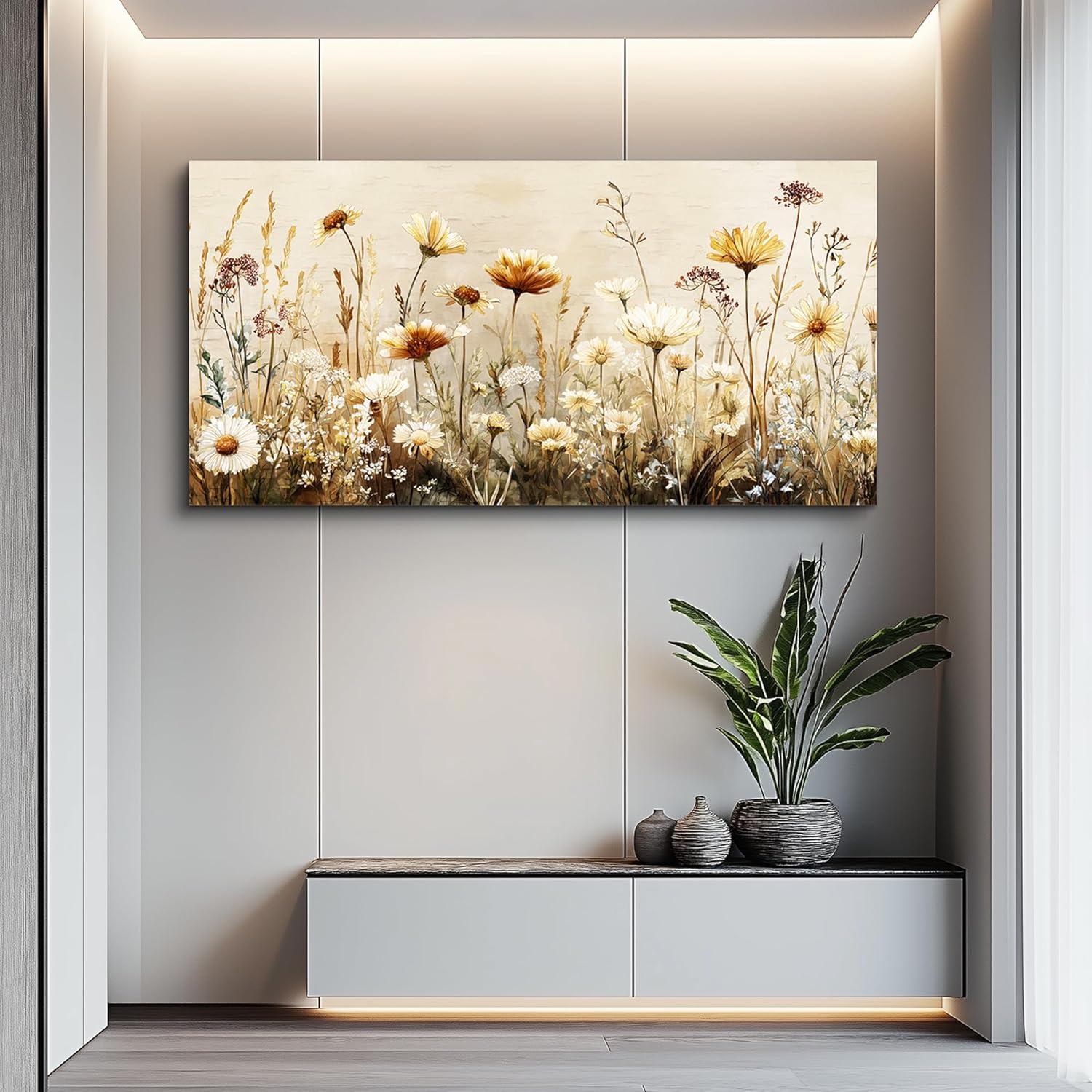
Choose one focal wall. Add framed art, a mirror cluster, or a single oversized artwork. Keep spacing consistent between frames.
Vertical wall decor works well in small rooms because it draws the eye upward, creating the illusion of height.
Mirrors improve brightness by reflecting natural light. They also make compact living rooms feel more open.
Avoid mixing too many styles on one wall. Stick to one theme: minimal, abstract, or nature-inspired.
5. Choose Furniture That Matches Scale
Furniture scale often gets ignored. Oversized pieces in small rooms reduce flow, while tiny furniture in large rooms feels disconnected.
Measure the room before buying anything. Leave open space around seating areas for movement.
Low-profile sofas work well in modern living room decor because they create openness. Modular seating helps adjust layouts when needed.
Avoid overcrowding with extra chairs or tables. Each item should serve a clear purpose.
6. Add Texture Through Soft Furnishings
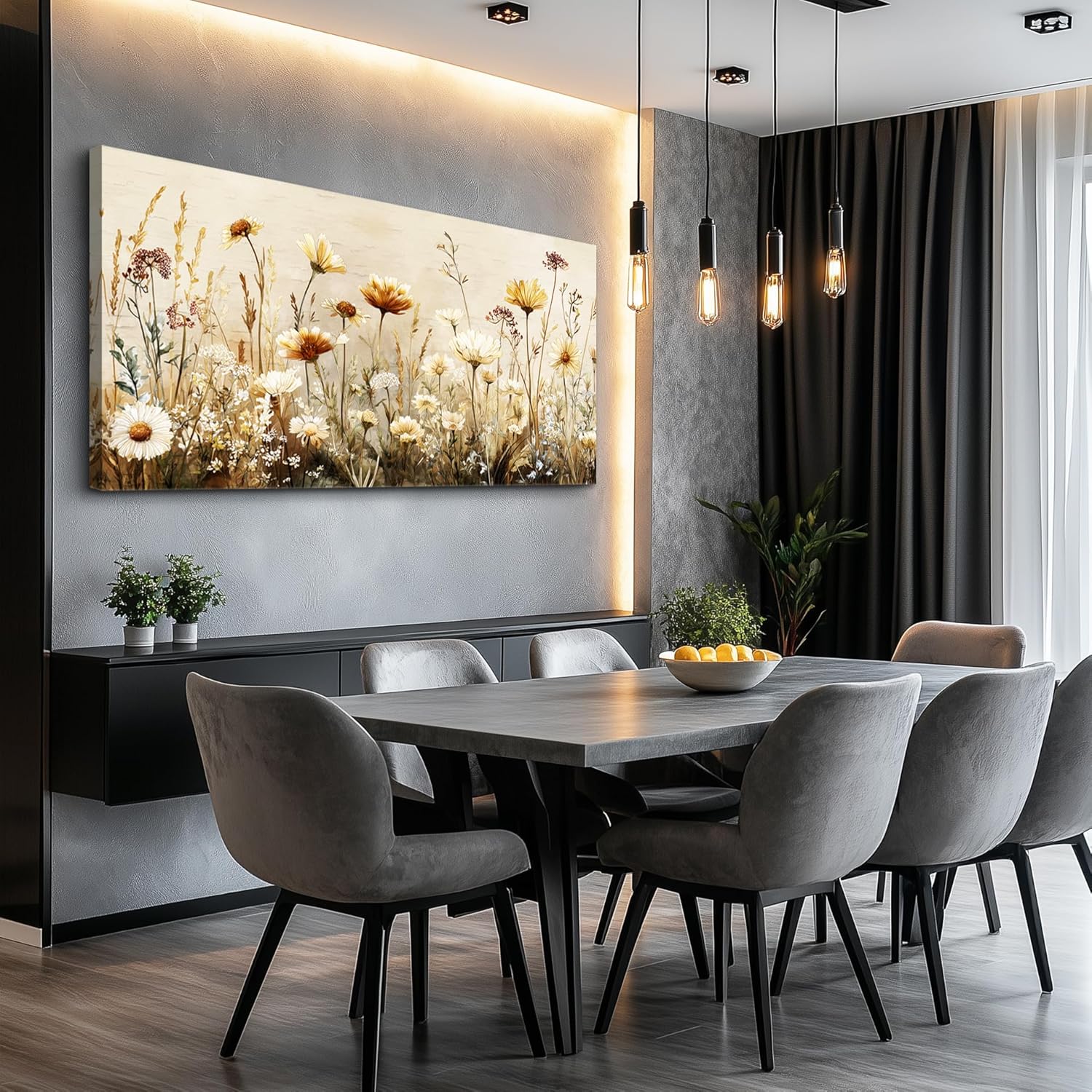
Texture brings depth to simple rooms. Without it, even well-designed spaces feel flat.
Use cushions, throws, curtains, and rugs to introduce variation. Mix soft cotton, wool, and linen materials.
Stick to a consistent color palette while varying textures. For example, a neutral sofa can carry patterned cushions and a knitted throw.
Rugs define zones and reduce visual emptiness in open-plan layouts.
7. Decor Accessories That Don’t Overcrowd Space
Accessories should enhance, not dominate. The most common mistake is adding too many small items.
Use grouped styling instead of scattered pieces. For example, place three items of different heights on a shelf rather than ten small objects.
Plants add natural balance and improve visual freshness. Choose low-maintenance indoor plants like snake plants or pothos.
Books, trays, and ceramic pieces work well for coffee table styling. Keep surfaces at least partially empty.
8. Seasonal Adjustments for Fresh Look
A living room doesn’t need full redesigns to stay fresh. Small seasonal changes keep the space updated.
Swap cushions, add seasonal throws, or adjust wall art tones. Light fabrics for summer and heavier textures for winter work well.
Seasonal decor also helps refresh the mood without major spending.
Frequently Asked Question's
What is the best layout for a living room?
A balanced layout places seating around a focal point while maintaining clear walking space and visual symmetry.
How do I decorate a small living room?
Use light colors, compact furniture, mirrors, and vertical wall decor to create openness.
What colors work best in modern living room decor?
Neutral bases like beige, grey, and white work best with muted accent tones.
How do I make a living room look expensive?
Layer lighting, use quality textures, keep decor minimal, and maintain a consistent color palette.
What’s one key tip for redefining modern living room style?
Swap cluttered décor for sculptural furniture and layered textures—think curved sofas, matte finishes, and statement lighting.

Flora Banks
Editor in Chief & General Manager
Flora Banks serves as the Editor in Chief & General Manager, combining her passion for storytelling with strong leadership.
View Bio >