
Comparing TikTok Shop and Instagram Shop by fee percentage alone misses the real story. They’re not the same kind of channel anymore. TikTok Shop is a full in-app marketplace — product discovery, checkout, and fulfillment all happen inside TikTok, and the platform takes a cut of every sale. Instagram Shop, since Meta phased out native checkout in 2025, works differently: it’s a discovery and tagging layer that sends shoppers to your own website to complete the purchase so Instagram itself doesn’t charge a selling fee anymore.
That structural difference changes how you should think about margin on each platform. Here’s the full breakdown.
How TikTok Shop Fees Work
TikTok Shop charges a flat 6% referral fee on most US product categories, with a reduced 5% rate for select jewelry items. That fee is calculated on the customer’s payment (plus any platform-funded discount), and it already includes payment processing there’s no separate transaction fee stacked on top for most US sellers.
New sellers who make their first sale within 60 days of onboarding get a promotional 3% referral rate for 30 days, giving early sellers a lower-cost window to test pricing before the standard rate applies.
On top of the referral fee, two more costs matter:
- Fulfillment. Independent shipping ended in early 2026 — sellers must now use Fulfilled by TikTok (FBT), Upgraded TikTok Shipping, or Collections by TikTok. FBT pricing runs roughly $3–$4 per unit, dropping as basket size increases, which makes bundling a direct margin lever.
- Creator commissions. If you use TikTok’s affiliate program, you set the commission rate yourself — typically 5–20% per sale, sometimes higher in competitive categories like beauty and fashion. This is optional in theory but functions as close to mandatory in practice, since TikTok Shop’s discovery model relies heavily on creator content.
How Instagram Shop Fees Work Now
Instagram Shop looks completely different today than it did a couple of years ago. Meta shut down native in-app checkout on Facebook and Instagram Shops through 2025, and product tagging now sends shoppers to the merchant’s own website to complete checkout Meta no longer processes the transaction or takes a cut of it.
That means the “fee” on an Instagram-driven sale isn’t a platform commission at all it’s whatever your own store’s payment processor already charges. For a typical Shopify-connected store, that’s around 2.9% + $0.30 per transaction through Shopify Payments, or your own gateway’s equivalent rate if you’re on WooCommerce, BigCommerce, or another platform.
There’s no mandatory fulfillment program tied to Instagram Shop, either — you ship through whatever logistics setup your store already uses. Creator partnerships still exist (through the Instagram Creator Marketplace or direct deals), but those costs are negotiated separately from any platform commission, not deducted automatically from your payout the way TikTok’s affiliate commission is.
In short: Instagram Shop today functions as a discovery and traffic channel, not a self-contained marketplace.
Side-by-Side Fee Comparison
| TikTok Shop | Instagram Shop | |
|---|---|---|
| Checkout location | In-app | Redirects to your website |
| Platform selling fee | 6% referral fee (5% jewelry) | None — Meta charges no selling fee |
| Payment processing | Included in referral fee | Your own processor’s rate (~2.9% + $0.30 typical) |
| Fulfillment | Mandatory FBT/TikTok Shipping (~$3–$4/unit) | Your own fulfillment setup |
| Creator/affiliate cost | Seller-set, 5–20%+, deducted via platform | Negotiated separately, not platform-deducted |
| New seller discount | 3% referral rate for 30 days | Not applicable (no platform fee to discount) |
| Order & returns management | Handled in TikTok Seller Center | Handled entirely on your own site |
Worked Example: Same $30 Product, Two Platforms
Assume a $30 product with $10 in COGS, sold once through each channel (ad spend excluded here, since both platforms carry variable and comparable acquisition costs):
TikTok Shop
- Referral fee (6%): $1.80
- FBT fulfillment: ~$3.50
- Creator commission (12% avg): $3.60
- Total platform-related cost: $8.90
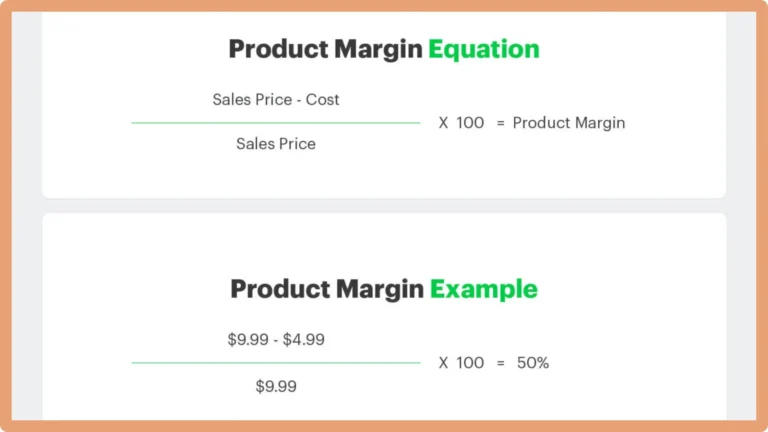
- Profit before ad spend: $30 − $10 − $8.90 = $11.10 (≈37% margin)
Instagram Shop → own website checkout
- Payment processing (2.9% + $0.30): ~$1.17
- Own fulfillment cost: ~$4.00
- Total cost: $5.17
- Profit before ad spend: $30 − $10 − $5.17 = $14.83 (≈49% margin)
The gap isn’t really “TikTok’s fees vs. Instagram’s fees” — it’s that TikTok Shop bundles marketplace commission, fulfillment, and (often) creator commission into the cost of every sale, while Instagram Shop shifts you back to your own store’s normal cost structure, which most sellers already have optimized.
Which Platform Protects Margin Better?
Neither is universally better — they solve different problems:
- TikTok Shop trades margin for built-in discovery and impulse-driven demand. The commission and creator costs are the price of access to an audience that’s actively primed to buy in-app, without needing your own traffic.
- Instagram Shop protects margin because the sale happens on infrastructure you already pay for and control — but it depends entirely on your own site’s conversion rate and ad efficiency to turn Instagram traffic into revenue. There’s no built-in checkout convenience anymore to lean on.
If your product does well on impulse, video-driven discovery, TikTok Shop’s higher take rate may still be worth it for volume. If you already have a strong-converting website and existing traffic sources, Instagram’s redirect model likely nets a better margin per sale.
What This Means for Your Pricing Strategy
Don’t price the same product identically across both channels and assume the margin comes out the same — it won’t. Before listing on either:
- Model your full cost stack per channel (referral fee, fulfillment, creator commission for TikTok; processing fee, your own fulfillment cost for Instagram)
- Compare net margin, not just headline commission percentage — TikTok’s “6%” looks cheap until fulfillment and creator costs are added back in
- Recheck current rates before publishing pricing — both TikTok’s fee schedule and Meta’s checkout policies have changed more than once in the past two years, and will likely change again
FAQs
Does TikTok Shop charge more fees than Instagram Shop?
In most cases, yes. TikTok Shop’s 6% referral fee already includes payment processing, but mandatory fulfillment and typical creator commissions push the real platform-related cost well above 6% per sale. Instagram Shop no longer charges a platform selling fee at all, since checkout happens on the seller’s own website.
Does Instagram charge a selling fee like TikTok Shop?
No, not currently. Meta phased out native in-app checkout on Facebook and Instagram Shops, and product tagging now redirects shoppers to the merchant’s own website. Meta doesn’t take a cut of sales completed off-platform — the only fee is whatever the seller’s own payment processor charges.
What is the TikTok Shop referral fee in 2026?
The standard US referral fee is a flat 6% for most categories, with a reduced 5% rate for select jewelry items. New sellers can get a promotional 3% rate for 30 days after their first sale, provided it happens within 60 days of onboarding.
Why did Instagram Shop stop taking a cut of sales?
Meta moved checkout off Facebook and Instagram and back onto merchants’ own websites, which also ended Meta’s involvement in payment processing, order management, and dispute resolution for those sales. Instagram now functions primarily as a discovery and product-tagging layer rather than a self-contained marketplace.
Which platform is better for profit margin, TikTok Shop or Instagram Shop?
It depends on your business. TikTok Shop’s built-in audience and discovery can be worth its higher take rate for products suited to impulse, video-driven buying. Instagram Shop tends to protect margin better for sellers who already have a converting website, since the sale happens on infrastructure they control rather than inside a commission-based marketplace.